AndaTherapyPediatric Health & Rehabilitation, home

What we do

What makes AndaTherapy unique is the combination of many rehabilitation therapies.

Rehabilitation programs

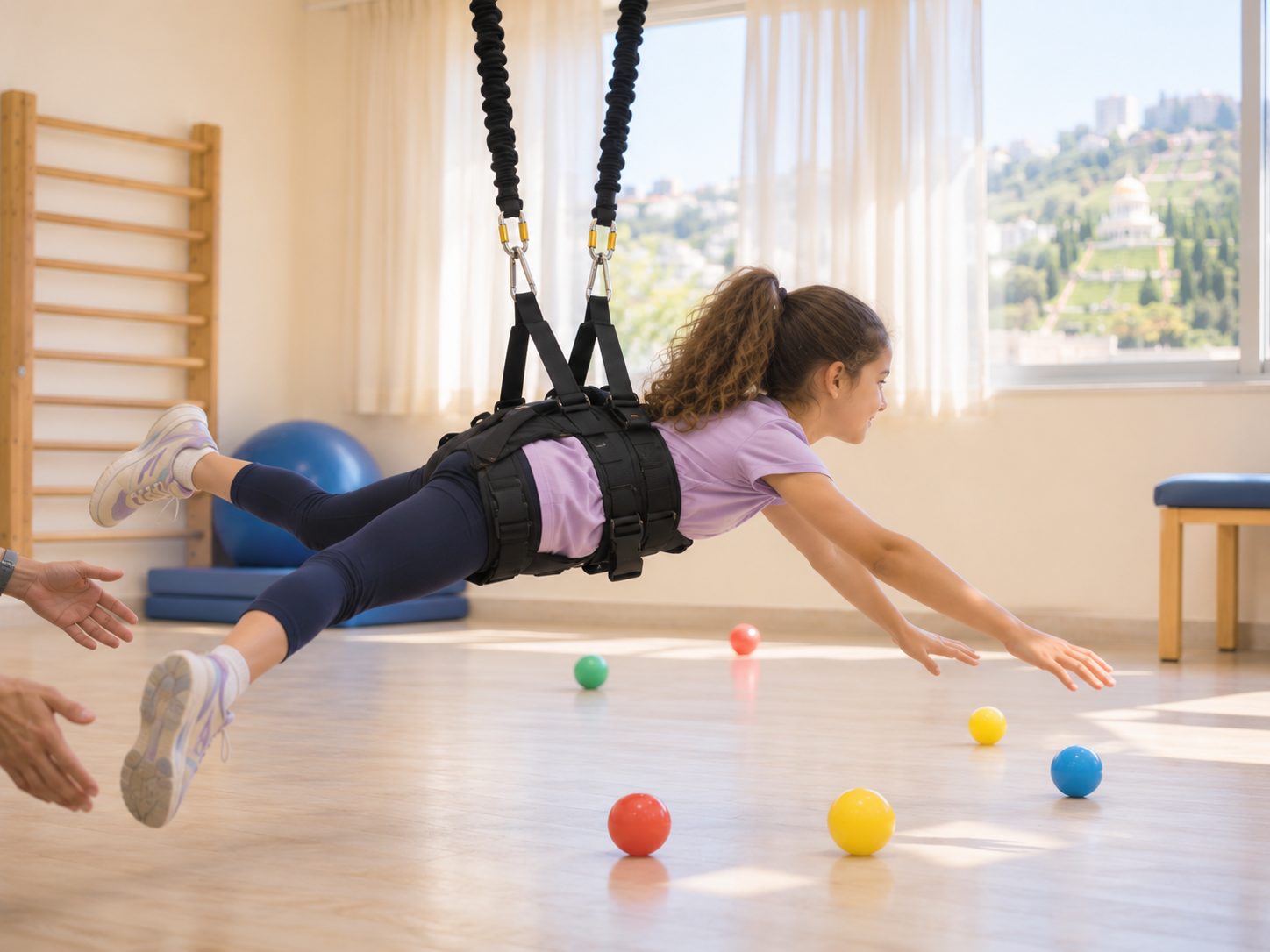
A girl in an elastic harness at a bungee therapy station

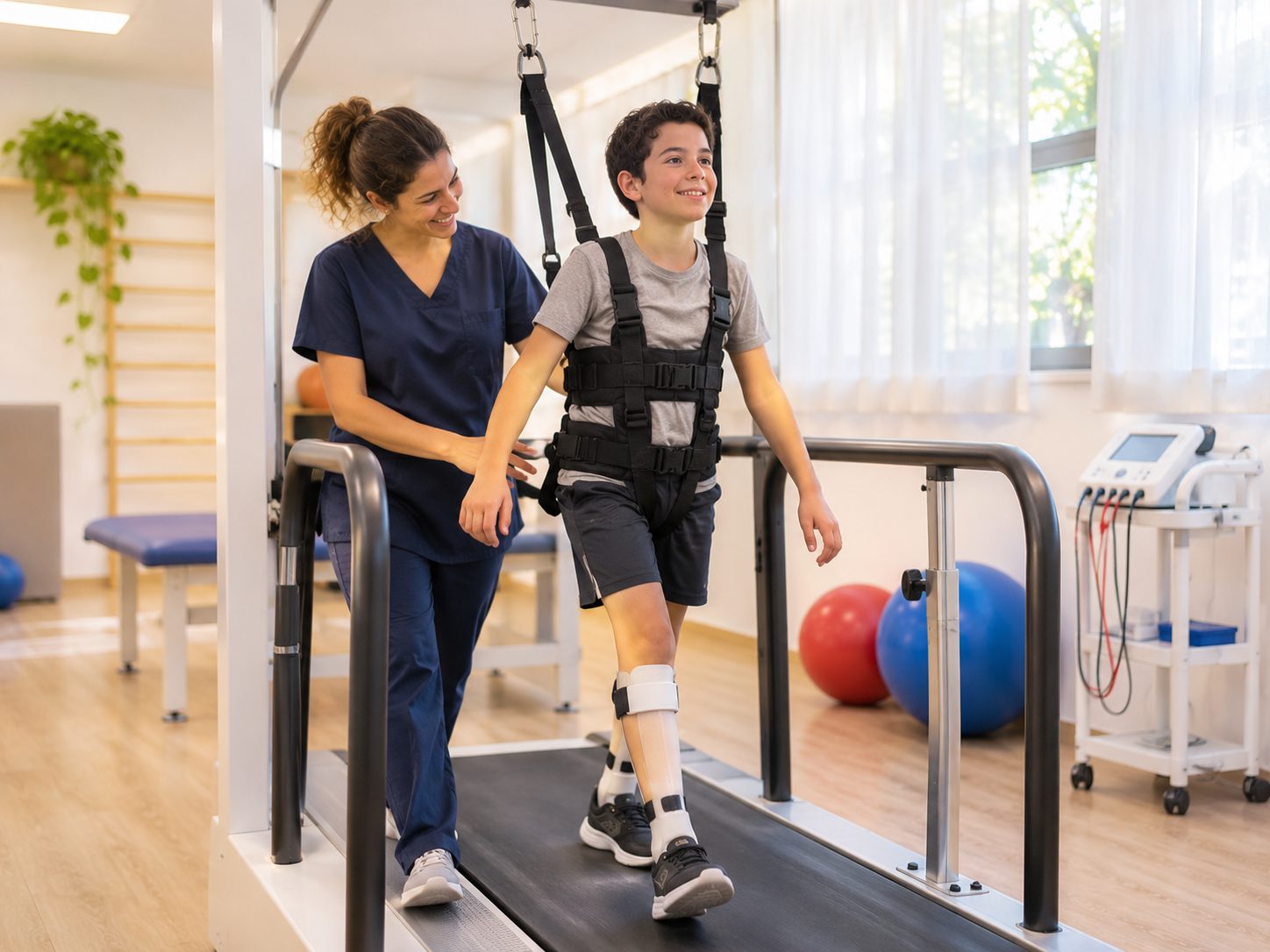
Bungee therapy

Adaptive physical rehabilitation that gives children tools to speed up their development and motor skills, and to make real progress with cognitive difficulties, spatial perception, planning actions and judging situations.

  • Strengthens and improves the musculoskeletal system and neuromuscular coordination
  • Builds endurance and motor skills for balance and stability
  • Helps reduce excess weight
  • Improves cholesterol and blood fat levels
  • Significantly improves the respiratory and cardiovascular systems
  • Encourages active movement while reducing load on the spine and joints. Similar to exercising in water or hydrotherapy, but with a much wider range of movement, working most of the body’s muscles across many levels of effort (gravity limitation)

Learning to cope and adapt through purposeful physical activity is a key principle of kinesiology, a field that draws on many sciences to study how body movement shapes physical and intellectual development, improving quality of life and the balance between mind and body.
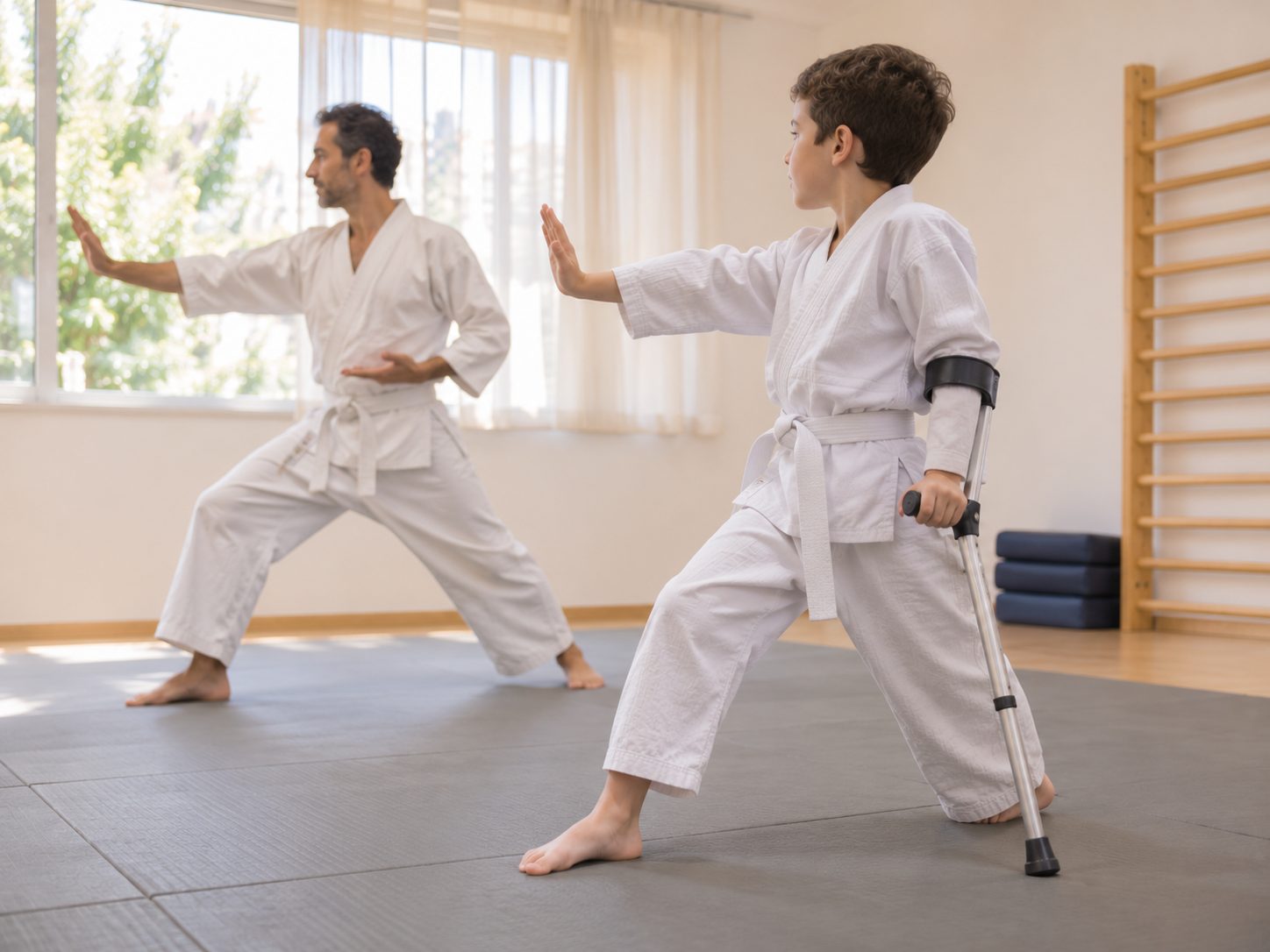
A boy and an instructor practicing budo therapy on a mat

Budo therapy

Based on the principles of traditional Japanese martial arts, in a non-competitive form. Children learn to move from stress reactions, like fight, flight or freeze, to a calm and steady presence.

  • Emotional regulation and coping with fear
  • Spatial awareness, coordination and stability
  • Fitness and self-confidence
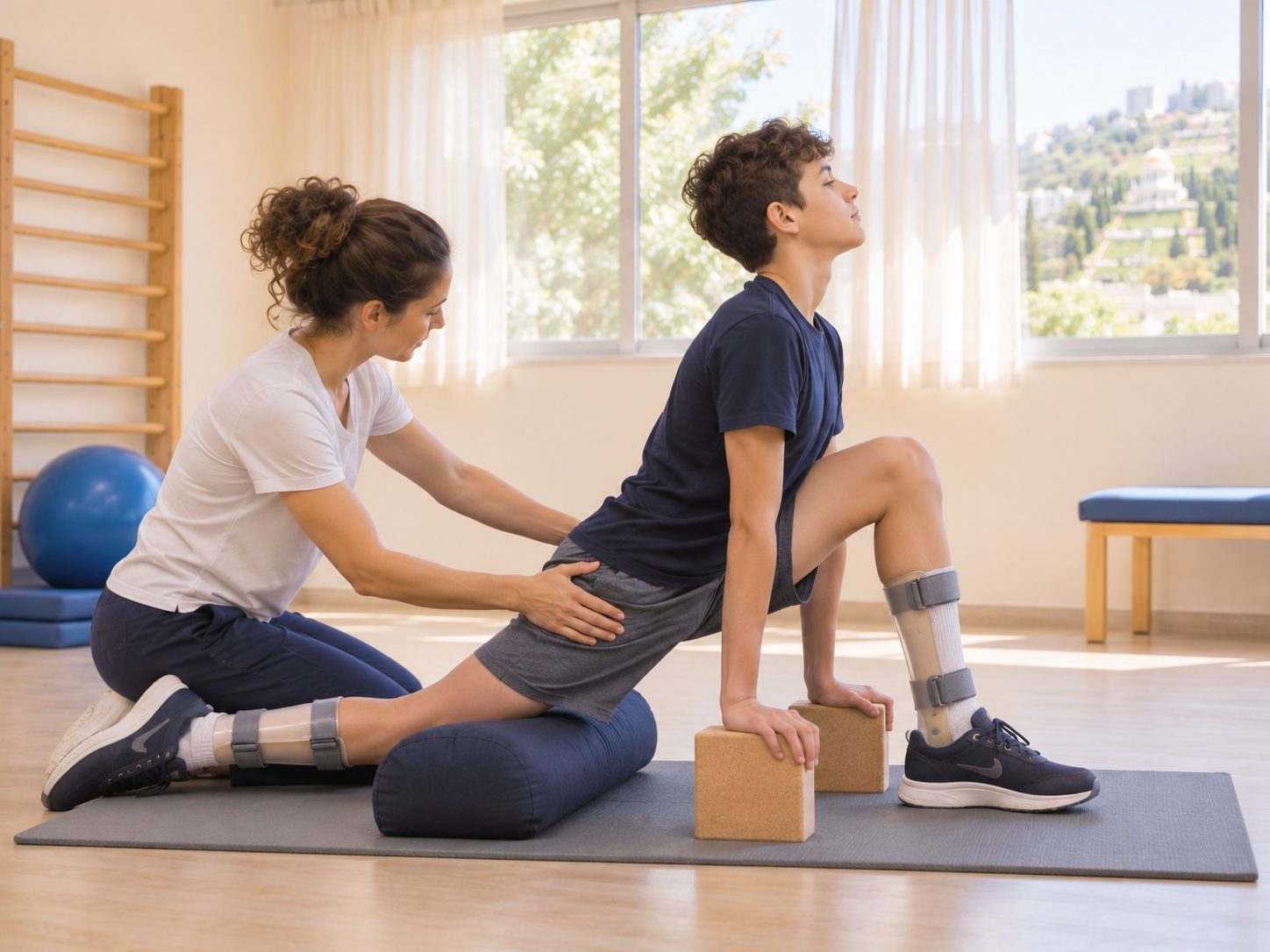
A therapist guiding a teenager through a rehabilitative yoga pose

Rehabilitative exercise, aids and equipment

Personal practice that builds motor skills, range of motion, muscle tone, flexibility and stability.

Benefits of bungee therapy and rehabilitative yoga for obesity, chronic and autoimmune conditions

  • Improves neuromuscular balance, muscle tone and flexibility
  • Relieves chronic fatigue and steadies breathing
  • Helps prevent metabolic disorders
  • Significantly improves the skeletal and muscular systems
  • Activates and strengthens weak and even wasted muscles
  • Significantly improves the condition of blood vessels
  • Boosts the flow of nutrients to body tissues, including bone, and strengthens bone density
  • Lifts mood, energy and overall wellbeing

Complementary paramedical care

Stronger muscles, preventing wasting and deformity, better balance.

A mechanical rehabilitation device in the treatment hall
  • Active physiotherapy
  • Electrotherapy
  • Rehabilitative medical massage
  • Advanced rehabilitation equipment

Therapeutic activities

Rehabilitation happens outside the therapy room too. Therapeutic classes and group activities build confidence, communication, friendship and quality time together.

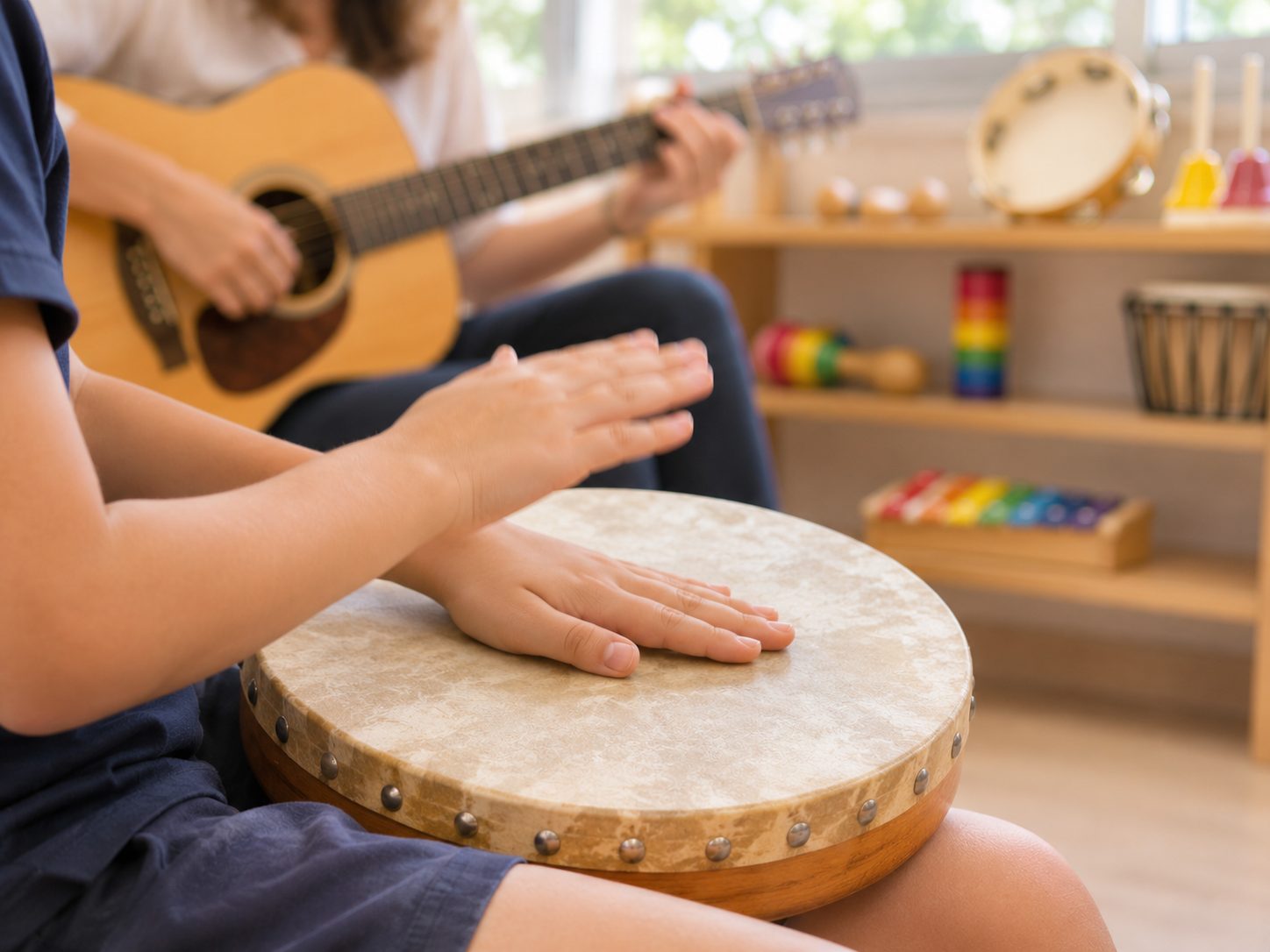
A child’s hands on a frame drum in a music room

Music, drama and art

Singing, playing and improvising to build motor skills, communication and auditory memory. Drama, psychodrama and puppet theater for emotional release and confidence, including for children who are blind. Painting and making things for self-expression.

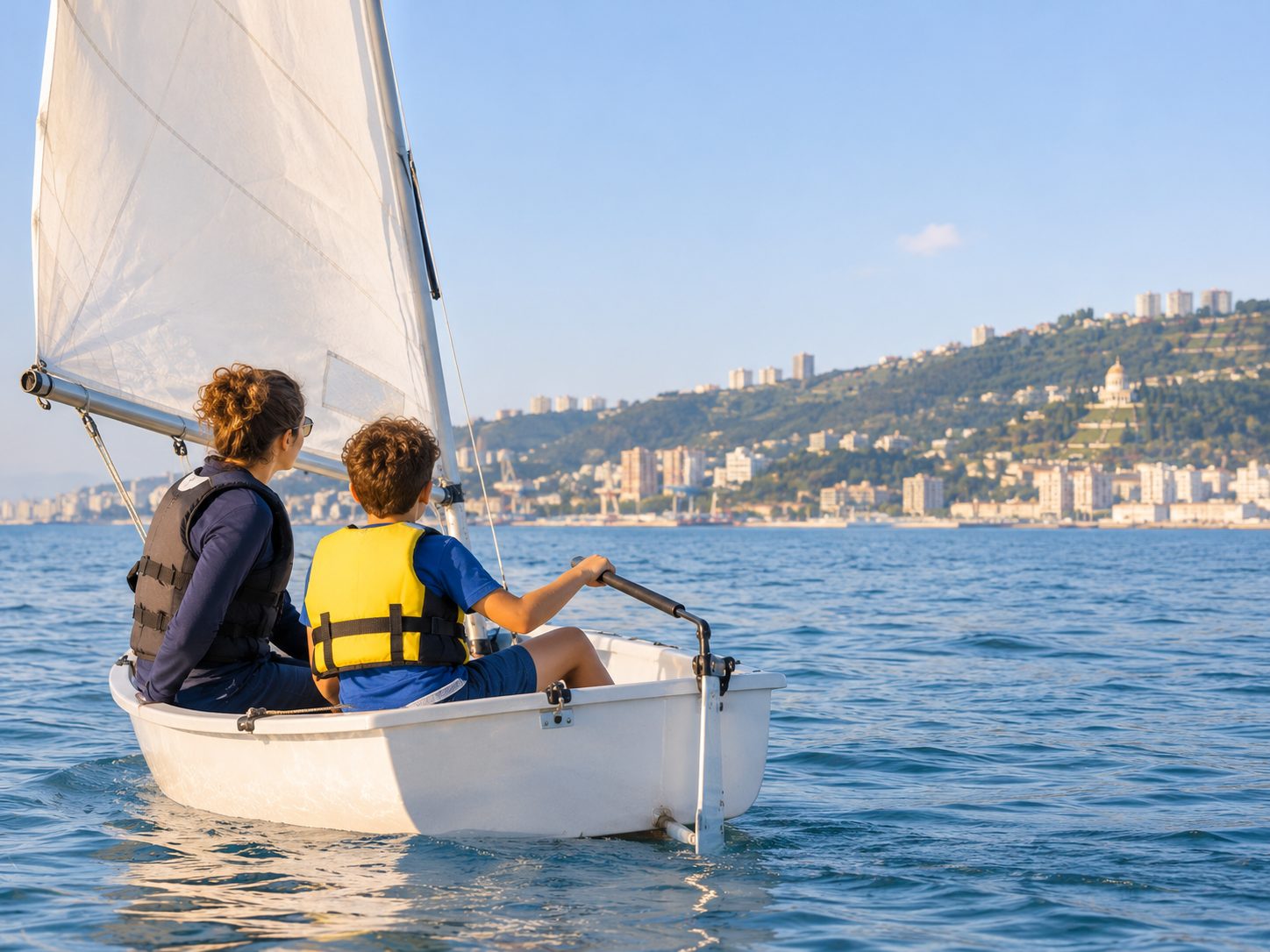
A small sailboat on Haifa Bay in the morning

Therapeutic sailing and fishing

Sessions at sea that combine physical, emotional and cognitive work. Children practice self-regulation and control, gain confidence and make friends. Especially suited to children on the autism spectrum.

More activities

  • Self-defense
  • Aviation workshops
  • Sensory regulation therapy
  • Academic tutoring
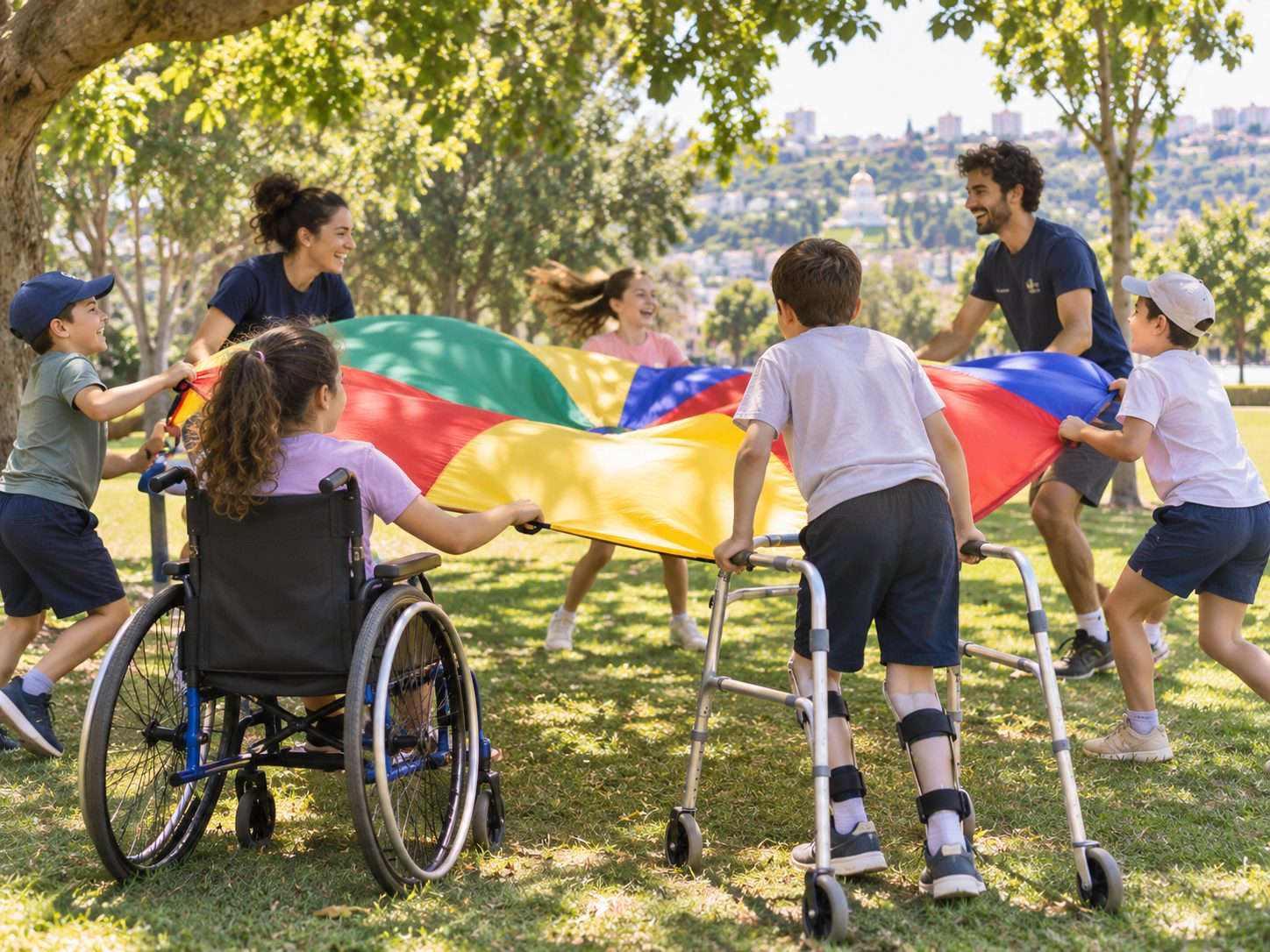
A group of children and counselors at an outdoor summer activity

Rehabilitation camps

About 70 camp days a year, over the Jewish holidays and summer break, with therapists, counselors, teachers and volunteers by each child’s side.

Assessment and follow-up

  • AssessmentFunctional, neurological and rehabilitation assessment by specialists in pediatrics and rehabilitation.
  • Psychological and nutrition counselingFor the child and the family, as part of the program.
  • Ongoing follow-upWe track progress, make changes and adapt the program for the road ahead.

Why movement?

Research over recent decades points to a link between purposeful physical activity and physical, emotional and cognitive development. Movement is the foundation of the AndaTherapy method, always combined with emotional, educational and social work.